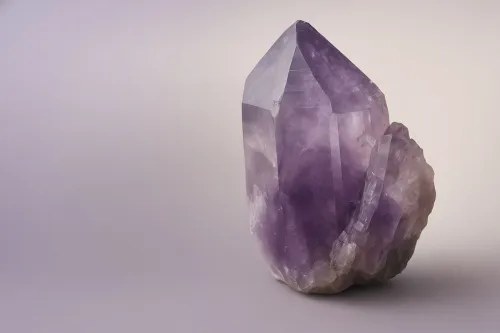
Imagine you're sitting at your crafting table, a small pile of purple-hued amethyst stones in front of you. You've envisioned making elegant bookends or a pendant, but questions linger: How do you choose the right crystal for strength and beauty? What tools cut wires without breaking the stone? Or how can you pair textures like smooth polished finishes with rough natural facets in one piece? As someone who spent years teaching stonecraft workshops, I've seen that hesitation melt into confidence once crafters grasp a few key principles. This guide cuts through the overwhelm by walking through amethyst attributes, essential materials, and adaptable DIY ornament concepts. You'll learn to select crystals based on their weight and hue, set up a simple workspace with tools like pliers and applicators, and avoid common pitfalls like color fading. Think of it as your hands-on blueprint for turning sparkly purple quartz into statement pieces you'll love to show off—let's unlock the creative potential together.
1. Essentials for crafting with amethyst
2. Key crystal properties for design
3. Core supplies for making ornaments
4. Balancing looks and feel in projects
5. Finding and preparing the crystal
Picture this: You're new to stonework and want a weekend project like a wire-wrapped amethyst pendant, but you're unsure where to begin. The trick is framing amethyst crafting as a step-by-step journey that builds foundational skills. For instance, I've watched many hobbyists start with simple designs before tackling complex ones, avoiding frustration through gradual progression. Whether crafting jewelry for personal flair or decorative accents for a living space, mastering basic techniques like stone handling ensures your ornaments turn out sturdy and eye-catching. Let's get started with the essentials so you can approach this craft with clarity and excitement.
Amethyst—a type of quartz with a Mohs hardness rating of 7—strikes a balance that's moderately durable. This means it can handle wire wrapping or adhesive bonding without crumbling like softer stones might, yet it still requires careful handling to prevent cracks. When shaping ornaments, consider that the crystal's specific gravity (about 2.65 g/cm³) influences weight, so positioning wires or mounts wisely can achieve better stability. These traits make amethyst a forgiving choice for your first wire-based projects, helping you avoid disheartening mishaps.
Ever browsed through gemstones and been drawn by a deep violet amethyst one minute, then a soft lavender piece the next? That variability isn't random—it stems from the iron content in the crystal structure, often tied to its origin, which shifts pigments across a purple spectrum. In crafting, this affects everything from how light interacts in your ornament to the mood of the final piece. I recall helping a friend pick stones for sunlit window hangings; focusing on hue depth maximized reflection for a lively effect. By learning these characteristics, you can make smarter choices that boost visual harmony in your projects.
Color ranges from light lavender to intense violet on a sliding scale, so selecting pieces matching your room or outfit palate becomes intuitive. Transparency, varying from translucent to nearly opaque, tends to amplify shimmers under light—ideal for pendants where gleam matters. Plus, with hardness at 7 on the Mohs scale, amethyst stands up to routine crafting tensions like wire bending, offering reliability without compromising elegance.
Your crafting bench is set, but it's cluttered. What tools do you grab first for amethyst bookends or pendants? Start by pinpointing common scenarios: For beginners, a few versatile items save time, while advanced crafters invest in extras for precision. In my workshops, I stress beginning with core wires and adhesives, eliminating confusion. This section simplifies your toolkit setup, ensuring you build ornaments efficiently without overspending.
Wire types like copper or silver offer flexibility for bends and holds in designs, and tools such as pliers and cutters shape them cleanly. Pair with binding agents like strong epoxy to secure your crystals—say, attaching stones to frames—where gaps could otherwise weaken bonds. Add adhesive applicators for precise dispensing, letting you assemble pieces neatly. These choices can optimize your workspace, making ornament assembly less messy and more fun.
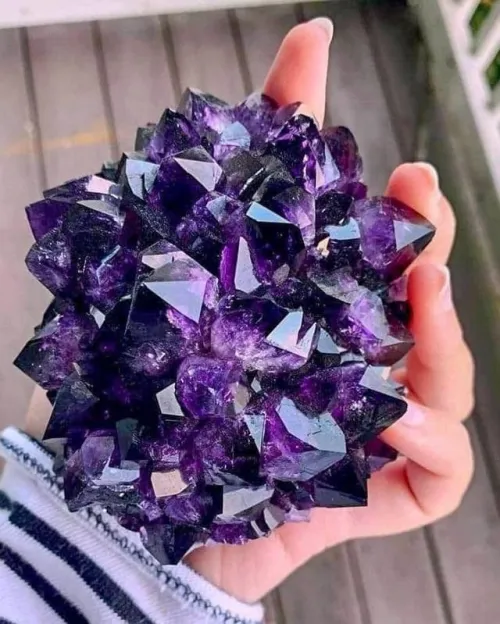
You've laid out your materials, but the amethyst's surface feels rough while another is polished—how do you blend textures in one design? Visualize a pendant combining smooth beads with raw facets for tactile intrigue. This clash of qualities defines your ornament's charm but requires planning to avoid imbalances. Drawing from client consultations, I've found that playing with contrasts—like offsetting purple stones against cool metals—creates focal points that captivate. We'll unpack pairing strategies so your pieces dazzle.
Textural shifts from polished sheen to natural, gritty surfaces can introduce depth, especially in decorative items that invite touch. Beads or cabochons serve as easy-start shapes for incorporating into bracelets or displays, simplifying assembly. To harmonize, consider how texture affects light; rougher facets scatter beams, adding subtle drama, while smooth finishes may highlight clarity.
Filling your cart online or scouring local markets—where to find high-quality amethyst? Sourcing often involves gemstone suppliers or ethical origins, crucial for avoiding subpar stones that dull your creations. Picture hunting through batches; reliable vendors provide details on clarity and origin, letting you judge hues firsthand. Once acquired, processing like light tumbling enhances crystals by smoothing rough edges based on your plans, much like tuning a guitar before playing. This phase empowers you to refine stones for easier crafting.
Quality crystals may be available through verified gem suppliers or ethically traceable collections, ensuring consistency for projects. Handling techniques include tumbling to brighten surfaces and reduce hazards from raw fragments, making stones safer to work with. Weight-wise, amethyst's specific gravity around 2.65 g/cm³ can impact ornament design, so test balancing early to prevent top-heavy outputs.
Now that you’ve explored the essentials, let’s tie it all together. Think back to those amethyst pieces on your desk—how do you apply color theory from chapter two or wire techniques from chapter three in real-time? Start small: Try wire-wrapping a single tumbled stone to gauge balance, or sketch designs pairing deep violet against silver backgrounds to refine aesthetics. This approach helps lock in key takeaways like avoiding sunlight to preserve hues. Crafting’s joy lies in trial, so grab your pliers today and play with variations; that’s how masterpieces begin. Remember, perfection’s optional—fun is the goal.
Turning crafted ornaments into room centerpieces or personal accessories adds functional flair—imagine amethyst bookends grounding a library shelf or delicate pendants brightening outfits. The key is value: Ornaments tend to offer enduring appeal through thoughtful design, like pairing colors with metals. From teaching home décor classes, I've seen how weight distribution planning prevents items from toppling, while textures spark conversations. Use this section to envision placements that elevate daily spaces.
Wire wrapping enables versatile outputs—think pendants or earrings—by adapting to varied stone sizes for flexible customization. Durability relies on reinforced fastenings with strong wires to withstand handling, especially for frequently moved displays. Designs can boost harmony, such as matching darker hues like deep violet with metallic accents for contrast.
How do you protect your amethyst ornaments from fading in sunlight or scratches during storage? Addressing these concerns extends piece life, just as storing padded containers shields from daily knocks. I often remind crafters to test UV exposure limits by placing test pieces near windows—notice subtle color shifts over weeks. These insights make upkeep intuitive, so you enjoy long-lasting beauty.
Ultraviolet rays may gradually fade hues if exposed long-term, so positioning pieces in indirect light helps maintain vibrancy. Gentle cleaning with soft brushes and mild detergents preserves appearances without harming surfaces. For storage, padded cases can reduce scratch risks during inactivity, handling crystals with care.
Q: How do you prevent amethyst color from fading in ornaments?
A: Avoid placing pieces in strong direct sunlight regularly; opt for shaded spots or artificial lighting to maintain vibrancy without risks.
Q: What's simple upkeep for handmade amethyst items?
A: Clean with gentle cloths and diluted soapy water to remove dust; this routine tends to keep finishes looking fresh without harsh methods.
Q: How do you source ethically for craft projects?
A: Choose suppliers who share mining practices and transparency to align with responsible choices.
For deeper knowledge on amethyst's makeup and origins, consult reliable sources like:


$
