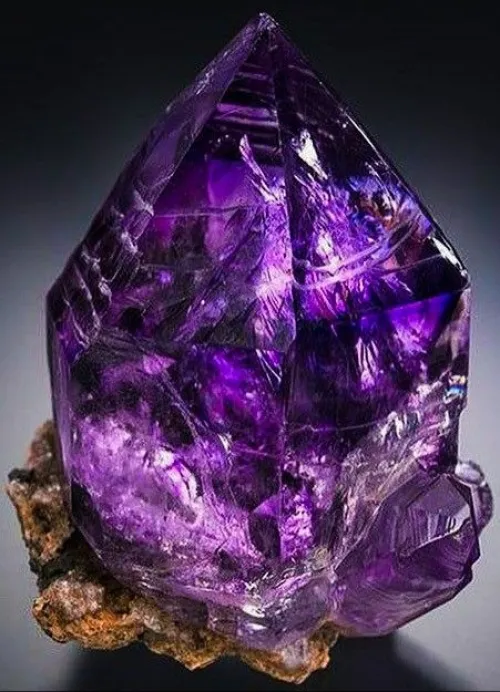
Picture this: your festive amethyst lights cast that perfect violet glow on snowy evenings, until one December you notice those once-vibrant hues fading into muted grays. That subtle yet persistent color loss happens to many of us when purple pigments degrade under environmental stress. This guide tackles how chain reactions between sunlight, humidity, and heat slowly steal that magical twilight radiance. We'll walk through practical solutions drawn from color science – explaining why certain materials matter more than others, how exposure patterns accelerate fading, and what protective measures actually work when unpacking your decorations year after year. You'll learn to balance aesthetics with durability when selecting lights and create simple maintenance habits that preserve that dreamy purple atmosphere through countless holiday seasons. The key isn't avoidance, but smart adaptation.
Fundamentals of long-term color protection
Material properties that fight fading
Environmental threats to violet hues
Light exposure management tactics
Maintenance rituals for longevity
Smart selection criteria
Practical implementation strategies
You might've wondered why amethyst tones disappear faster than your red or green strands while hanging lights on the porch. Violet pigments have inherently lower lightfastness due to their molecular composition – they absorb more high-energy photons that break chemical bonds. When those bonds fracture over time (a process called photodegradation), the color shifts irreversibly. What starts as subtle bleaching often accelerates during storage months when humidity penetrates microscopically cracked casings. Understanding this vulnerability means recognizing that preserving purple isn't about fighting one enemy, but managing a chain reaction between UV exposure, thermal stress, and material decay.
Look for lights mentioning UV inhibitors – these block specific wavelengths that violently dismantle purple chromophores. Encapsulated pigments tend to outlast cheaper surface-coated ones because the color elements get sealed inside protective layers, delaying environmental assault. That protective barrier matters more than initial brightness when evaluating lights under the showroom's forgiving fluorescent bulbs. Consider it like sunscreen for your decorations: blocking rather than repairing damage.
When inspecting new amethyst lights, you're essentially evaluating an invisible protective ecosystem. Premium PVC insulation houses UV-absorbing chemicals that sacrifice themselves to neutralize destructive rays – an engineered process called polymer stabilization. Higher-grade casings often have tighter molecular bonds (cross-linked matrices) that resist expansion-contraction forces during weather changes. This matters because each thermal cycle creates micro-fissures that become moisture highways.
Deeper differences emerge in the bulb casing quality. Surface hardness ratings indicate scratch resistance, important when storing tangled strands where abrasions expose pigments. The thickness of LED encapsulant layers determines how effectively they shield violet pigments from humidity. Those glossy coatings matter more than you think – they're the first defensive line against environmental erosion.
Photochromic formulations react less dramatically to sun exposure than conventional dyes. Combined with light stabilizers that neutralize free radicals, they significantly extend color fidelity.
Humidity might seem irrelevant against snowy windows, but it's stealthily accelerating fade rates inside your amethyst strands. High moisture creates hydrolysis reactions that sever pigment-binding chains, especially during thermal cycling – when materials expand during use then contract during cold storage. Coastal climates compound this with salt particles that intensify UV damage, while desert conditions bring abrasive dust storms that microscopically scour surfaces.
Heat dissipation designs dramatically affect outcomes. LED modules with aluminum heat sinks instead of plastic housings keep temperatures below 104°F (40°C) – critical since every 18°F (10°C) increase above this threshold doubles chemical degradation rates. Overlooking these temperature factors might damage your lights faster than direct sunlight.
Consider this scenario: two neighbors install identical amethyst lights. One runs them dusk-to-dawn, the other uses simple timers limiting operation to 4-hour evening intervals. By season's end, the dawn-lit strands show noticeably paler hues despite identical weather exposure. That's because cumulative UV intensity matters more than duration – midday sun causes disproportionately more harm than evening rays.
Scheduling two shorter cycles instead of constant operation significantly helps. Think of them as hydration breaks between sprints. Incorporating 3-4 gap days monthly gives pigment stabilizers time to neutralize accumulated damage. When planning layouts, position violet strands beneath eaves or trees for natural afternoon shading. The goal isn't total darkness, but minimizing high-intensity solar bombardment during peak degradation hours.
Post-season storage matters as much as operational care. Before boxing your strands in January, wipe bulbs with antistatic cloths – that unnoticed dust layer refracts sunlight intensely, creating microscopic heat hotspots. Then, seal them with silica gel packs (at least 5 grams per 50 lights) to maintain below 50% humidity levels.
Every third season, apply optical-grade acrylic sprays on cold filaments using cotton swabs. This protective layer fills micro-abrasions that develop during use, effectively resealing vulnerable surfaces while minimally altering light diffusion patterns. Avoid silicone-based products which often trap more heat.
Each November during setup, photograph reference colors against a pure white card. Compare annually using apps like Adobe Color for precise fade detection before it becomes visually obvious.
Evaluation starts years before fading shows up, when selecting replacement strands. Beyond aesthetics, focus on material disclosures – terms like "high cross-link density polymers" indicate stronger molecular bonds. Weight matters too; heavier casings often contain filler minerals that improve UV dispersion.
Examine packaging labels for operational temperature ranges matching your climate. For humid regions, IP65-rated waterproof connectors dramatically reduce moisture intrusion at wiring joints where fading often starts. Prioritize lights listing anti-hydrolysis stabilizers – these preserve plasticizers that maintain casing flexibility and pigment adhesion during thermal fluctuations.
Your goal isn't lab-level perfection but implementable habits. Start with simple timer adjustments shifting operational hours away from noon UV peaks. Place amethyst strands strategically beneath porch roofs or deciduous trees where summer foliage provides free UV filtration come December. During installation, leave slack between bulbs for better heat dissipation rather than tightly wrapping.
Seasonally rotate where violet strands get placed. A two-year rotation between direct and indirect light zones evens out degradation. For existing fading strands, weave them into shaded wreaths instead of discarding them. Repurpose mildly faded sections as under-cabinet lighting where color purity matters less. The art lies in balancing preservation with festive enjoyment.
Throughout December, pause occasionally when plugging in your lights to note their glow intensity against familiar surfaces. That mindful connection helps spot early fading before it worsens. Jot down one protective adjustment you'll implement next season – whether repositioning strands or upgrading timers. Preserving that amethyst magic requires consistency over miracles. Start next season by photographing your lights as a reference point – tracking subtle changes makes protection feel tangible rather than theoretical.
Polymer degradation research
Photochemical industry whitepapers
Material science textbooks
Consumer Product Safety Commission guidelines
University extension studies on plastics longevity


$
