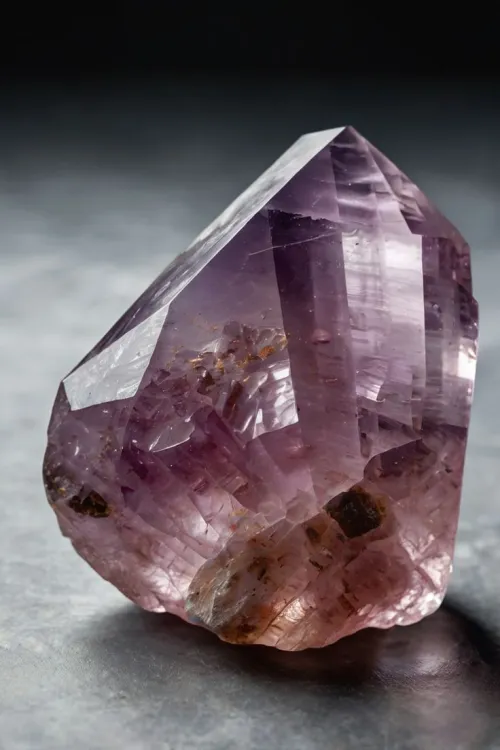
Those amethyst ornaments shining on your mantel? They're more than holiday sparkle—they're geological guests at your seasonal gathering. Picture this: you unpack treasured crystal decorations, only to notice fingerprints dulling their violet glow or candle residue clinging to intricate facets. How do you maintain their magic without harming delicate mineral structures? This guide walks you through the science and art of amethyst care. We'll explore how its crystal personality interacts with your home environment, identify cleaning triggers before damage occurs, and establish a rhythm that keeps your ornaments radiant year after year. Think of it as creating a spa schedule for your geological treasures—because even crystals appreciate thoughtful maintenance.
1. Recommended Cleaning Frequency Guidelines
3. Your Home's Impact on Crystal Condition
4. When Your Ornament Tells You It Needs Care
5. Daily Habits That Reduce Deep Cleaning Needs
Consider your amethyst's cleaning rhythm like adjusting watering for plants—it responds to its environment. That kitchen window ornament above your sink? Its proximity to cooking oils and humidity might mean attention every other month. Meanwhile, your bookshelf amethyst globe in a climate-controlled room can thrive with quarterly care. These variations stem from how location shapes crystal exposure. When dust accumulates on the surface for approximately three months, it can begin interacting with natural skin oils transferred during handling. This gradual buildup doesn't just cloud brilliance; it creates microscopic friction points where everyday dust—harder than you'd think—initiates subtle surface wear. Establish a rotation schedule based on ornament placement: high-traffic zones deserve monthly check-ins, while display cabinets warrant seasonal attention. Remember that gentle consistency outweighs aggressive annual scrubbing.
Amethyst maintains consistent structural stability during routine maintenance due to its place on the Mohs hardness scale. This mineral characteristic helps resist everyday threats while demanding careful techniques during deep cleaning sessions. Always account for individual ornamental features—pieces with multiple delicate terminations tend to gather debris faster than smooth spheres. Your ritual can be simple: when clearing other holiday decorations from shelves, let that prompt a quick crystal wellness check.
Understanding amethyst's "personality" prevents well-meaning damage. Imagine holding geological time in your palm—those crystals formed through millennia of mineral-rich solutions cooling in rock cavities. That heritage gives amethyst remarkable durability for decoration purposes, yet vulnerability to specific modern threats. Its 7 on the Mohs scale means ordinary dust won't scratch it (dust ranks 1-3), but that same hardness makes it prone to chipping if knocked against harder surfaces like ceramics. This dual nature informs all care decisions. Unlike porous stones that absorb spills, amethyst's quartz foundation prevents liquid penetration—but mineral deposits can still build up on its surface, reducing optical clarity. That beautiful purple? It comes from iron impurities within its crystalline structure, which react subtly to environmental factors. Sunlight exposure over multiple seasons may gradually fade intensity, while chemical reactions with cleaning agents might cause immediate cloudiness.
When liquids cool slowly after contacting heated crystal, they can temporarily expand tiny pre-existing fractures. This thermal sensitivity isn't about fragility—it's respecting natural formations evolved under specific conditions. Your awareness transforms cleaning from chore to conservation.
Amethyst Preservation Principles
Your living space interacts with amethyst more than you realize. That cozy holiday atmosphere? Candles release micro-particles of soot that settle on crystals, creating different cleaning challenges than ordinary dust. Kitchens introduce airborne greases through cooking, while busy entryways track abrasive mineral debris from outdoors. Humidity levels play unexpected roles too—environments dipping below 40% relative humidity can build static electricity that literally attracts dust to crystal surfaces. Compare ornaments displayed under different conditions after a month: you might observe noticeable differences in residue buildup patterns. These variations create location-specific cleaning needs. Areas with frequent touching or near ventilation systems often accumulate a composite film of skin oils blended with ambient particulates. Remember that protective glass cabinets help, but don't eliminate maintenance—dust still penetrates, requiring attention every 2-3 months.
The non-porous nature of quartz prevents liquid absorption during accidental spills, but residue patterns vary significantly between kitchen and living room ornaments. High-grease areas consistently trigger cleaning needs every two months, while low-traffic locations extend maintenance schedules significantly. This environmental awareness helps you customize care per ornament.

Location-Specific Maintenance Timelines
Amethyst communicates its needs through visual language. Before setting calendar reminders, learn to read your crystal's signals. Hold ornaments under natural light and lightly rotate them—those aren't mere specks you see; they're micro-accumulations reducing sparkle. Fingerprint smudges appear greasier after several weeks as oils oxidize. Notice how candlelight reflections appear less sharp? That indicates particle buildup scattering light. Color saturation changes are particularly telling: residues may create flat looking areas where the stone seems duller. More concerning than surface grime are structural whispers—faint white lines inside crystals suggest possible microfractures needing immediate gentle care. When routine dusting no longer restores natural fire, that's crystal-language for "deep cleaning required immediately."
Surface luster naturally diminishes over seasons through accumulated micro-scratches, even in well-cared-for collections. This gradual change might appear as tiny rainbow patterns under magnification—cracks forming where particles have rubbed against quartz structures under pressure. Annual inspections help detect these integrity concerns before holiday handling intensifies them.
Transform storage into an extension of cleaning—think hibernation rather than confinement. How you tuck amethyst away dramatically affects deep cleaning needs. Before boxing ornaments after holidays, perform triage: gently lift dust with soft brushes rather than wiping, preventing micro-scratches. Consider your storage environment—damp basements encourage milky residue layers, while arid attics accumulate static-attracted dust. Aim for humidity-neutral spaces (40-50% RH) where anti-tarnish strips aren't needed. The moment you unwrap ornaments reveals storage success: crystal-to-crystal friction from poor packing instantly adds scuffs requiring polishing. Prevent this with dedicated micro-fiber wraps that cushion while lifting dust upon removal. Storage frequency directly impacts maintenance—ornaments properly stored require just one annual deep cleaning versus multiple seasonal sessions.
Airtight containers create microclimates that almost eliminate cleaning needs during months in storage. This protection reduces handling-related abrasion that otherwise necessitates polishing. Always wrap double-terminated crystals individually—their points are both aesthetic treasures and vulnerable debris traps.
Storage Protocol Essentials
Approach amethyst cleaning like caring for antique lace—method matters more than muscle. Skip aggressive methods that promise immediate results but cause cumulative damage. Surface grime releases easiest when relaxed; start with lukewarm distilled water soaks (never above 50°C) letting mineral tensions ease. Imagine washing baby hair rather than scrubbing dishes—soft-bristle brushes trace crystal growth patterns without abrasion. For stubborn candle wax or adhesive remnants? Dental picks work gently under magnification, but skip solvents that risk surface reactions. Drying transforms vulnerability into strength: microfiber cloths lift moisture without friction, while air circulation prevents mineral re-deposits. Observe how treated amethysts (surface-coated for color enhancement) have different rules—clean them with modified frequency to preserve integrity.
Chemical instability dictates avoidance of acidic solutions that may etch amethyst surfaces over time. Instead, mechanical removal with specialized polishing compounds preserves structural integrity. Safe hand-polishing techniques restore optical clarity—imagine massaging tension from tiny crystal muscles.
Gentle Cleaning Sequence Always start with minimal intervention and escalate only if needed:
Not all amethyst ornaments share the same care profile. Vintage pieces with original adhesives present unique challenges—where modern ornaments tolerate gentle soaking, older ones might loosen settings. Bead strands need individual attention at drilling points where residues hide. Crystal clusters showcase breathtaking formations but demand careful attention between geodes where dust becomes trapped. Consider ornament history: previously displayed near windows need UV recovery consideration. Restoration differs sharply from maintenance; professional conservation becomes advisable upon discovering fractures, not DIY solutions. Mountings dictate technique limitations—never soak silver components alongside minerals. With composite materials (crystal-with-metal or resin), cleaning must address both components' needs simultaneously.
Annual examinations are paramount whether cleaning seems necessary or not. Microscopic fractures can develop invisibly but compromise structural soundness during regular handling. Professional assessments provide baseline condition reports that help track future changes. Remember that ornaments with surface treatments require strictly controlled biannual cleaning maximums.
Establishing your care rhythm begins with observational practice: this week, simply notice how light dances across your ornaments' surfaces. Does that sparkle dim by Thursday dinner? Those slight variations teach more than rigid schedules ever could. Carry this awareness forward—when unpacking next season's decorations, pause and compare pieces from different rooms. You may instinctively sense which needs immediate attention versus those that maintain vitality. This connection transforms maintenance into mindfulness. Start small: implement just one storage improvement this season, perhaps individual wrapping of delicate points. Notice how that single change reduces handling concerns. Remember that the most powerful preservation tool isn't polish or technique—it's consistency paired with informed respect.


$
