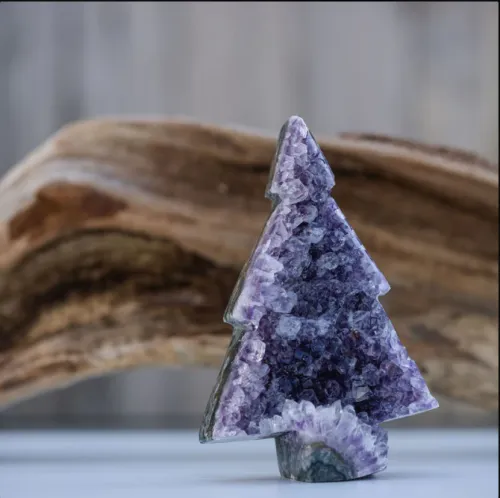
Picture this: You've just hosted an unforgettable gathering, and now your beloved amethyst centerpiece sits adorned with fingerprint smudges and cocktail splatters. That distinctive purple quartz seems less vibrant under the leftover party evidence. Many assume stone care is straightforward, but amethyst requires thoughtful attention—especially after events. This guide blends material science with practical care, helping you navigate soap concentrations, scrubbing pressures, and drying methods safely. We'll explore how amethyst's geological makeup interacts with everyday residues, why some cleaning myths cause genuine harm, and how routine maintenance preserves its natural brilliance. You'll learn to assess damage risks like potential liquid absorption in microfractures, and why something as simple as a dirty dishcloth can create subtle abrasions. Whether you’re dealing with candle wax drips or champagne spills, these methods respect the stone's unique properties while restoring its celebratory glow.
After guests leave, assessing your amethyst ornament's condition becomes the critical first move. You might notice sticky fingerprints near textured surfaces or dried beverage rings where coasters weren't used—common scenarios demanding different remedies.
Amethyst registers 7 on the Mohs hardness scale for physical durability, meaning gentle scrubbing won't harm uncracked surfaces. Still, liquid immersion remains limited to brief timeframes; extended soaks might seep into microscopic pores. Always start with the mildest approach: soft toothbrushes access intricate crevices without scratching, and mild soap solutions effectively remove organic residues without chemical risks. Air-drying preserves integrity more effectively than cloth rubbing, preventing microfiber particles from catching on minute surface variations.
Understanding the stone's inherent qualities makes cleaning intuitive. Most forget that while amethyst resists casual scratches, structural vulnerabilities require customized care.
Specific gravity values range between 2.65 for density considerations, meaning thicker decorations can unexpectedly retain moisture. This density contributes to heat sensitivity—sudden temperature variations risk internal fracturing, so always use lukewarm solutions. Though resistant to common household acids when properly cared for, electroplated finishes require specialized non-alkaline cleansers to prevent coating deterioration. Soft microfiber cloths prevent micro-abrasions during polishing, especially around carved details where residue accumulates. Remember: hardness permits gentle abrasion with soft nylon brushes, but never scrub suspected fracture zones. Routine assessment detects microfractures needing professional sealing before they worsen.
Different party remnants demand distinct approaches. Greasy appetizer fingerprints need different treatment than hardened candle wax droplets.
Fingerprint marks frequently necessitate specialized cleaning techniques; skin oils bond differently than synthetic residues. For wine or juice spills, immediate rinsing prevents sugar crystallization in crevices. Remember that alcohol-based solutions may permanently damage some surface finishes, especially dyed or coated specimens. Organic residues like cheese crumbs surrender quickly to pH-neutral soap, while cosmetic transfer calls for emulsifying agents. Hardened substances like gum or wax respond best to controlled physical removal. Always isolate the contamination type before proceeding.
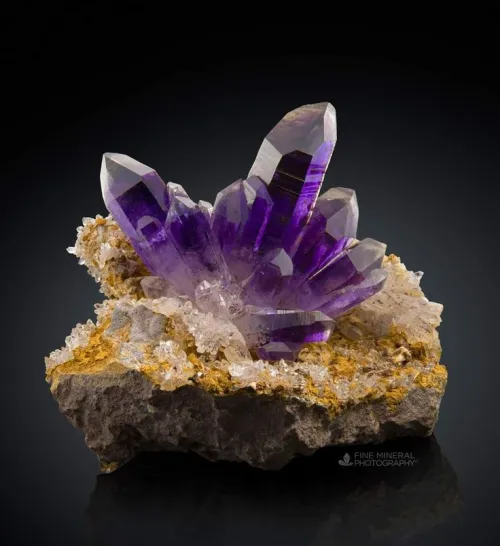
Use this quick-reference when identifying residues:
Amethyst's volcanic origins explain its vulnerabilities. Igneous crystallization creates characteristic striations and fluid inclusions requiring consideration.
The crystalline structure makes concentrated solvents risky. Avoid ammonia-based mixtures that etch crystalline surfaces, particularly affecting ancient or heavily included specimens. Sudden temperature changes may also impact stability—allow chilled ornaments to reach room temperature before cleaning. While resistant to short-term exposure, direct sunlight may fade deeper purple hues over prolonged periods. For pieces positioned near windows during parties, gentle cleaning supports light-stress recovery. Storage separation protects against chipping and surface contact with harder stones during post-party organization.
Determine how display frequency and environmental factors impact maintenance schedules. High-traffic display spots affect upkeep requirements significantly.
Dust accumulation in static-prone designs demands frequent maintenance. Evaluate handling frequency: items passed among guests need cleaning after each event, unlike static displays. Check decorative crevices annually for residue accumulation needing focused approaches. Always consider location humidity levels which affect cleaning solution evaporation speeds. For objects placed near dining areas, anticipate frequent wiping with dry cloths between deep cleans.
Minimize cleaning needs with positioning strategies:
Common myths accelerate damage. Many assume household cleaners work universally or that ultrasonic tools are universally safe for crystals.
Ultrasonic cleaners may compromise structural integrity, especially with pre-existing internal fractures. Steam cleaning creates thermal shock risks and moisture penetration. Dishwashers expose gems to aggressive alkaline chemicals and turbulent water. Instead, consider soft toothbrushes dipped in diluted baby shampoo solutions. For stubborn residues, damp microfiber wraps gently draw out grime without mechanical stress.
Treat your post-party cleansing ritual as both preservation exercise and rediscovery opportunity. When sunlight catches the newly cleaned grooves without fingerprint distortions, you'll appreciate nuanced care.
Next gathering, keep a designated soft-bristle brush nearby—addressing spills promptly prevents hardening. Notice how certain angles reflect light differently when dust-free. And perhaps rotate display positions periodically, exploring new perspectives on your treasured pieces. That slight shift in routine prevents wear patterns while deepening appreciation.


$
