Properly maintaining your amethyst involves understanding its natural properties and energy interactions. Safe methods include moonlight exposure, earth burial, or sound vibrations which may help restore its vibrancy without damaging the crystal. Assess your stone's clarity and color before charging, and always consider environmental conditions like humidity and sunlight intensity.
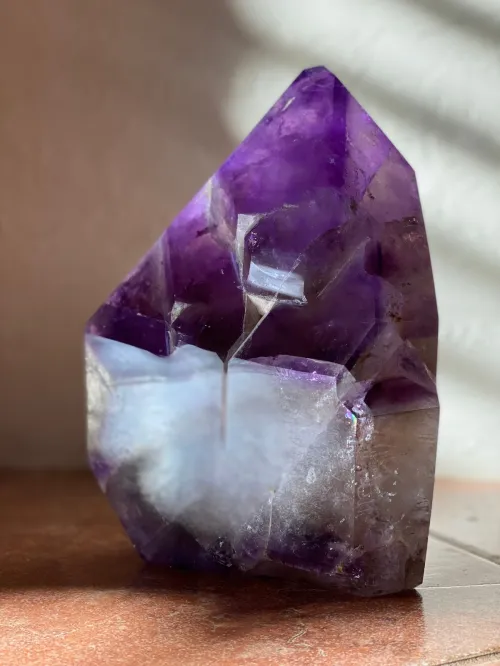
Imagine holding your favorite amethyst piece after weeks of wear – noticing its surface looks less vibrant than when you first brought it home. This subtle change might prompt you to wonder about restoration methods for what many consider a living mineral. Charging crystals isn't just a tradition; it's rooted in how natural quartz interacts with energy in its environment. This guide walks through both scientific properties and practical techniques for amethyst maintenance. We'll explore the quartz structure that allows energy transfer, help you identify when charging might be needed, and detail safe, accessible methods anyone can try at home.
When your amethyst feels energetically drained after regular handling, understanding vibrational mechanics can guide your approach. The thing is, quartz crystals have lattice structures that naturally interact with surrounding energies.
Amethyst contains trace iron impurities distributed in its crystalline framework, which creates patterns that may store vibrational frequencies. This structural arrangement tends to respond to external energy shifts whether placed in moonlight or exposed to resonant sounds.
You'll notice amethyst retains its lavender hues through centuries in geological formations – this resilience stems from its physical properties. Unlike fragile crystals, amethyst maintains integrity through routine handling.
Composed primarily of silicon dioxide with iron impurities that contribute to those characteristic violet colors when exposed to natural irradiation. Your amethyst likely has a hardness rating between 6.5 and 7 on the Mohs scale, meaning it's durable enough for regular charging methods without surface damage.
While handling your amethyst before arranging its charging session, observe subtle changes that could indicate needs. Crystals don’t “expire,” but their optical properties may shift with prolonged energy exchange.
Check for surface clarity changes:
The piece tends to respond best to charging when clean and free of fingerprints that might interfere with surface energy conduction.
Picture placing your amethyst on a windowsill as full moon light spills through – this approach uses environmental forces rather than artificial intervention. Such natural settings often complement the stone’s inherent properties.
Moonlight exposure during full phases generally produces noticeable effects without risks. For daytime options, early morning sunlight tends to work better than harsh afternoon rays which may cause undesired fading over time. Soil burial offers another alternative:
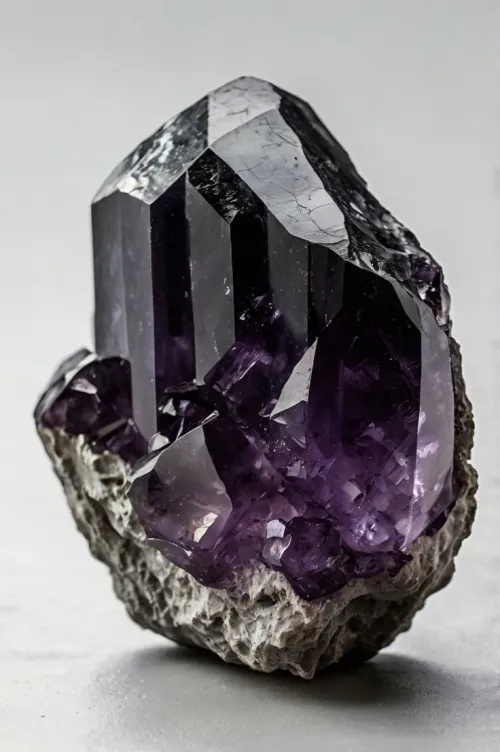
Positioning matters when you arrange charging setups – surrounding elements can amplify or diminish results. Think about how different tools interact in proximity to maximize effectiveness.
Placing smaller specimens atop large quartz clusters can potentially boost energy transfer due to vibrational resonance patterns. Sound methods using 256-528Hz tuning forks tend to work well, but avoid combining techniques with electronic devices nearby since electromagnetic interference might disrupt the process.
Your regular charging rhythm matters more than marathon sessions – consistent maintenance often creates better outcomes than infrequent intensive methods. Setting realistic routines tends to be more sustainable long-term.
Consider these timeframes:
Water immersion can offer quick refreshes using cool filtered water for 15-20 minutes, though mineral-rich water might leave deposits requiring additional cleaning immediately.
While charging methods can revitalize your collection, environmental factors like high humidity might compromise results. Overambitious exposure windows could backfire if basic guidelines go ignored.
Consistently keep storage conditions below 60% humidity levels to maintain structural integrity. Understand that direct skin contact during charging may temporarily alter conduction routes, and remember that effectiveness naturally varies between single points versus clustered formations.
Charging amethyst becomes most meaningful when you find methods resonating with your lifestyle. Why not begin trying simple techniques like overnight moonlight exposure with one sample?
The thing is, each piece responds differently so keep notes on what conditions seem to affect your collection. Start small: dedicate a windowsill space for monthly full moon sessions. You might be pleasantly surprised at how subtle adjustments influence your practice.


$
