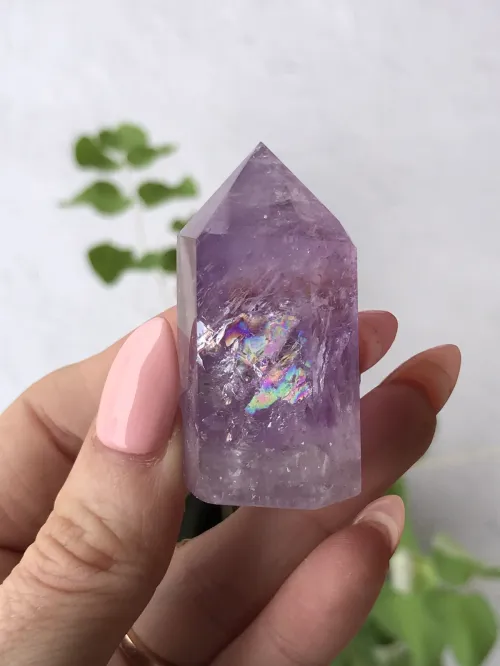
You carefully position the amethyst geode on your bookshelf, its purple facets catching the afternoon light just like when your grandmother first gave it to you. Over time, though, you notice a slight film blurring its sparkle - or perhaps that jagged edge from when it slipped off the mantel last winter. We've all stood before beloved crystal decorations, polishing cloth in hand, wondering if we're doing more harm than good. When those everyday cleaning efforts no longer revive your treasured amethyst keepsakes, professional cleaning and repair may be what's needed. This guide explains how to recognize those moments by exploring the science behind amethyst care and damage prevention. We'll walk through everything from understanding quartz vulnerabilities to spotting telltale signs that call for expert hands, ensuring your cherished crystal pieces keep shining for years.
Identifying situations requiring professional attention
How amethyst properties influence cleaning approaches
Visual cues indicating intervention is needed
The role of handling habits and environmental factors
Connecting condition preservation to sentimental value
Actionable guidance for making informed care decisions
Addressing common maintenance questions
Consider the heirloom amethyst pendant passed down through generations - you typically wipe it gently after wearing but recently notice a persistent haze along crevices that won't budge. This quiet moment reveals something important: some cleaning challenges signal the need for specialized tools beyond regular care routines. When accumulated skin oils dull sparkle deeper than surface level, or residue hides within textured clusters, those everyday cloth swipes become ineffective. What happens next? Professional facilities utilize microscopic examination and industry-grade solutions addressing buildup without harming porous zones.
Chemical reactions cause common problems. Certain chemicals in household cleaners tend to etch or damage the stone's surface over time. Remember that stubborn film? It’s often layers of oil and pollutants where regular soap can’t penetrate deeply enough. Professionals assess whether residue requires immersion techniques, specialized solvents, or controlled mechanical action. Similarly, environmental dust accumulation may penetrate porous regions needing meticulous removal techniques only jewelers possess. Each situation benefits from diagnosis identifying the safest path forward.
Microscopic inspection matters because flaws invisible to unaided eyes drastically affect cleaning safety. Fractures might hide along inclusions requiring gentle alternatives to standard equipment:
Caring for your piece means acknowledging what's beneath the surface. That seemingly smooth surface might contain naturally occurring inclusions impacting vulnerability to pressure or temperature shifts. Professionals examine the specific characteristics before choosing cleaning protocols tailored to preservation needs rather than applying default methods risking complications.
Think about how differently you'd handle antique lace versus denim jeans - similarly, effective amethyst care begins with appreciating its mineral identity. Picture rockhounds chiseling geodes from volcanic cavities where amethyst forms within mineral-rich solutions depositing those distinctive purple crystals layer-by-layer. What they unearth is quartz family crystals with some unique considerations affecting its response to wear and restoration.
Amethyst has a Mohs hardness rating of approximately 7, meaning it withstands daily touches beautifully but will likely develop micro-wear patterns in high-contact areas. Its durability may vary due to internal inclusions determining how easily scratches form or fractures spread. Those beautiful crystal points? Their natural termination angles and layered structures mean impacts often happen along predetermined planes. When professional restoration requires polishing services helping restore original shine and visual clarity, material science understanding informs technique selection matching quartz responses without causing additional stresses. Deep damage repairs involve matching crystalline directions during reassembly - a task requiring trained eyes recognizing crystal growth patterns.
Like noticing the first yellow leaf signaling seasonal change, amethyst gives visual cues when attention is needed. Beyond obvious chips or cracks, subtler changes appear:
These clues prompt different responses than everyday cleaning. You might hold an ornament towards window light spotting those faint surface marks that catch illumination differently than smooth areas. Or examine settings noticing metal tarnish indicating corrosion affecting both holder and crystal. Professional assessment then determines whether polishing can safely remove cloudy layers without altering dimensions. Sometimes haze resides within microscopic fractures requiring filling rather than abrasion. Understanding these variations prevents well-intentioned home efforts accidentally worsening underlying issues.
Imagine placing your favorite amethyst bookend beside salt lamps in a humid seaside room - such environmental interactions create long-term challenges. Humidity levels regularly above 60% can promote microscopic surface changes needing professional attention when visible degeneration appears. Location choices dramatically affect preservation:
Gentle manual cleaning remains suitable for minor surface residues but recognize its limits. Warm water with mild detergent typically handles dust and occasional smudges effectively. Yet attempting vigorous scrubbing on fragile crystalline structures may dislodge micro-fragments worsening existing vulnerabilities. Similarly, everyday vibrations from nearby appliances could subtly loosen settings over years. These cumulative effects mean professional repair ensures gem repositioning considers structural integrity in ways simple regluing cannot achieve. Evaluating environmental interactions helps determine whether current cleaning methods remain sufficient or specialized help becomes necessary.
There's that bittersweet moment examining scratches across Grandpa's mine-sourced amethyst paperweight - imperfections telling stories yet diminishing what survives for future generations. This tension between preserving authenticity and restoring beauty often drives professional intervention. Intrinsic material value meets irreplaceable sentimentality in family treasures justifying specialized preservation investments.
Historical pieces often require conservation-grade approaches avoiding overly aggressive restoration. Techniques prioritize stabilization over cosmetic perfection - filling fractures using refractive-index-matched compounds rather than extensive grinding removing material. Likewise, preserving natural surface features matters significantly for specimen-grade geodes compared with high-gloss jewelry facets. What does this mean practically? When mounting stability declines with age, heightening detachment risks, professional jewelers re-engineer supports without compromising original design integrity. Assessing replacement costs against restoration possibilities involves understanding how color-treated gems require specialized techniques preventing treatment alteration during cleaning. Each decision balances preserving inherent worth while honoring the object's journey.
Let's translate theory into practical signals indicating when to seek assistance:
That tiny chip along your pendant’s edge? Left unaddressed, it develops into larger cleavages. Professional intervention stabilizes fractures and prevents propagation using techniques like:
Understanding quartz crystalline structure informs these repairs avoiding problematic grain directions through the stone.
Determine appropriate cleaning levels by evaluating:
Ultimately, if you hesitate about method safety, consultation brings peace of mind worth pursuing.
Think about your most treasured amethyst piece - whether jewelry box keepsake, focal point ornament, or passed-down heirloom. Protecting its journey begins with one mindful step: observation. Next sunny morning, hold it near natural light turning slowly noticing surface interactions. Does light skate evenly across planes? Are edges intact? Settings secure? This simple minute connects you to preservation awareness before challenges appear. Jot down three words describing its current beauty; revisiting them months later reveals subtle changes requiring care decisions. Should questions arise between professional visits, our extended recommendations and common queries offer guidance preserving those moments when purple light dances through crystal depths just as intended.
Q: Why can't I use home ultrasonic cleaners?
Ultrasonic vibrations carry risks for amethyst with existing fractures or internal weaknesses. Professionals pre-inspect stones determining what frequencies won't expand existing flaws.
Q: Can faded color ever be restored?
Sun-damaged color may sometimes improve with professional surface restoration techniques but remains difficult. Prevention through UV-protected displays provides your surest protection.
Q: How often should settings get checked?
Annual inspections catch loosening prongs before stones detach. Higher-wear pieces benefit from biannual assessments maintaining security through daily movements.
Q: Are commercial jewelry cleaners safe?
Many contain ammonia or alcohol formulas tending to dull amethyst surfaces long-term. Warm water with mild dish soap generally provides the safest routine cleaning between professional services.


$
